
Growing guide · Vegetable
How to Grow Aubergine
Days to maturity80 days
Spacing46 cm
TypeTender, warm-season
Start under cover8 wks before last frost
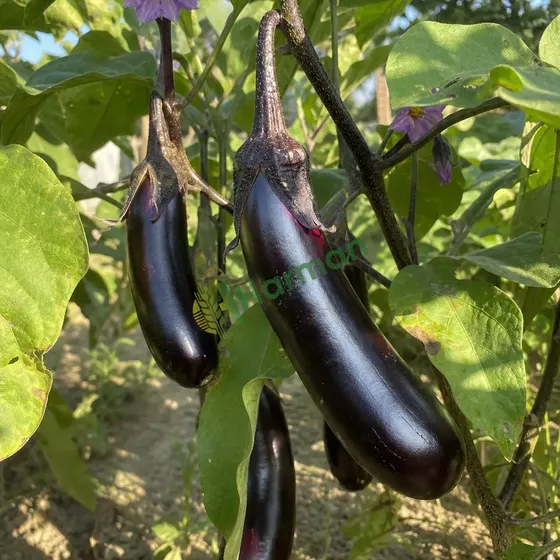
Aubergines are handsome, tender plants with purple flowers and glossy fruits, but they need sustained warmth to crop well in Britain. A greenhouse or polytunnel gives the most reliable results. 'Moneymaker' is a dependable choice for home gardeners seeking steady production.
When and how to sow
Sow indoors from February to March in module trays or small pots, using warm conditions for germination. Prick out seedlings carefully and grow them on in good light before potting on. Plant into a greenhouse or polytunnel after hardening off. Outdoors, wait until all frost has passed and use only the warmest, most sheltered southern site, in fertile soil.
Care
Give plants maximum light, warmth and regular watering, keeping compost moist but never sodden. Feed as fruits form and support stems with canes before they become heavy. In a greenhouse, ventilate on warm days while avoiding cold draughts. Pinch out weak growth and remove leaves that shade developing fruits excessively.
Common problems
Under glass, inspect plants often for aphids, whitefly and red spider mite, particularly in hot, dry conditions. Improve ventilation, keep watering even and remove heavily infested leaves. Red spider mite thrives in dry air, so damp down paths on hot days. Outdoors, cold weather and poor pollination can slow fruit set.
Harvest
Cut fruits with secateurs while their skins are glossy, taut and firm, leaving a short piece of stem attached. Do not wait until the skin becomes dull or the fruits feel soft, as quality declines. Pick regularly to encourage further flowering. Handle carefully, as the stems may carry sharp prickles.
Growing Aubergine: frequently asked questions
When should I sow aubergine in the UK?
Sow indoors from February to March in module trays or small pots, using warm conditions for germination.
What are common problems when growing aubergine?
Under glass, inspect plants often for aphids, whitefly and red spider mite, particularly in hot, dry conditions.
When is aubergine ready to harvest?
Cut fruits with secateurs while their skins are glossy, taut and firm, leaving a short piece of stem attached.
General guidance for UK home gardens and allotments. Reference figures are typical values; your exact timing depends on your region, last-frost date and variety. Page updated 18 Sep 2026.