
Growing guide · Vegetable
How to Grow Broad Beans
Days to maturity85 days
Spacing15 cm
TypeHardy / cool-season
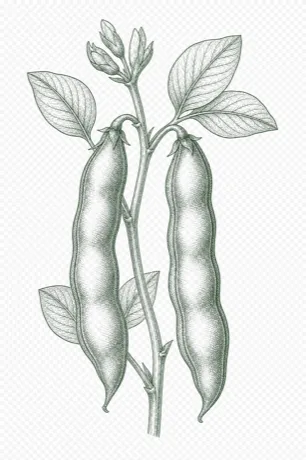
Broad beans are very hardy legumes, bringing one of the year's earliest harvests to an allotment or garden. Their scented black-and-white flowers also brighten cool weather. As their roots work with soil bacteria, the crop can leave useful nitrogen for following vegetables.
When and how to sow
In milder southern areas, sow 'Aquadulce Claudia' outdoors from October to November for an early crop. In cooler northern districts and Scotland, sow from February to April once soil is workable. Set seeds 5 cm deep and 20 cm apart in double rows, allowing space to hoe. Choose a sunny, well-drained position, avoiding ground used recently for beans.
Care
Water during dry spells, especially while plants flower and pods swell. Broad beans need little feeding in prepared soil. Support taller plants with canes and string on exposed plots. When the first pods have set, pinch out leafy growing tips to discourage blackfly. After cropping, leave roots in place to contribute nitrogen.
Common problems
Blackfly gathers on tender tips, particularly in warm, still weather; pinch out infested shoots. Chocolate spot creates reddish-brown marks in damp, crowded crops, and rust produces orange-brown pustules. Give plants room, avoid wetting foliage late, clear debris, and rotate the crop to a new bed.
Harvest
Pick broad bean pods from the bottom upwards as they become plump but still glossy and tender. Hold the stem and twist or cut each pod. Harvest regularly before pods turn leathery; smaller beans are sweetest. Cut spent stems at ground level and retain the roots.
Growing Broad Beans: frequently asked questions
When should I sow broad beans in the UK?
In milder southern areas, sow 'Aquadulce Claudia' outdoors from October to November for an early crop.
What are common problems when growing broad beans?
Blackfly gathers on tender tips, particularly in warm, still weather; pinch out infested shoots.
When is broad beans ready to harvest?
Pick broad bean pods from the bottom upwards as they become plump but still glossy and tender.
General guidance for UK home gardens and allotments. Reference figures are typical values; your exact timing depends on your region, last-frost date and variety. Page updated 18 Sep 2026.