
Growing guide · Vegetable
How to Grow Cauliflower
Days to maturity70 days
Spacing46 cm
TypeHardy / cool-season
Start under cover6 wks before last frost
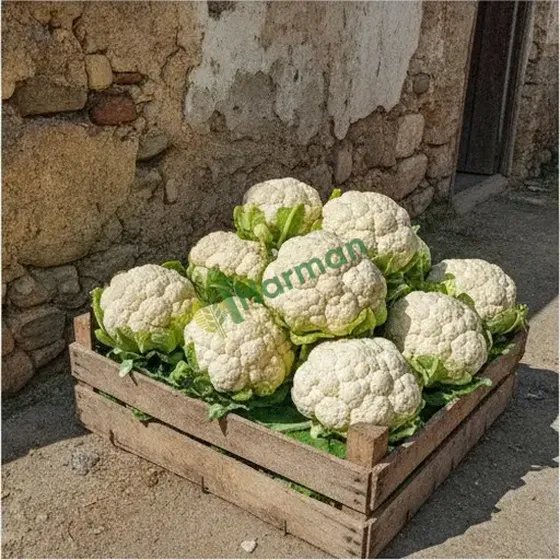
Cauliflower is one of the more exacting brassicas, but a firm white curd is immensely satisfying. It needs steady growth rather than extremes of heat, drought or cold. Grow a succession of summer, autumn and overwintering types to extend the home-grown season.
When and how to sow
Sow suitable varieties in module trays from February to May for summer and autumn harvests, or sow overwintering sorts in late spring. Harden plants off and set them 45 to 60 cm apart in a sunny bed of rich, firm soil. In cooler northern gardens, delay outdoor planting until harsh spring weather has passed. Water the planting holes well and firm each plant securely.
Care
Water regularly so the soil never dries out, especially while curds form, and keep weeds down with a mulch of garden compost. Feed the soil before planting rather than disturbing roots later. When the curd appears, bend several outer leaves over it to protect it from strong sun and frost.
Common problems
Small curds, known as buttoning, result from checks in growth, so avoid drought, root disturbance and hungry soil. Club root is reduced by rotation and good drainage. Net plants against cabbage white caterpillars and pigeons, inspecting beneath leaves regularly for eggs and caterpillars.
Harvest
Cut heads while the curd is tight, smooth and firm, before individual florets loosen. Leave a collar of leaves around each head to protect it during carrying. Check plants frequently in warm weather because mature curds can deteriorate quickly. Use promptly for the best texture and flavour.
Growing Cauliflower: frequently asked questions
When should I sow cauliflower in the UK?
Sow suitable varieties in module trays from February to May for summer and autumn harvests, or sow overwintering sorts in late spring.
What are common problems when growing cauliflower?
Small curds, known as buttoning, result from checks in growth, so avoid drought, root disturbance and hungry soil.
When is cauliflower ready to harvest?
Cut heads while the curd is tight, smooth and firm, before individual florets loosen.
General guidance for UK home gardens and allotments. Reference figures are typical values; your exact timing depends on your region, last-frost date and variety. Page updated 19 Sep 2026.