
Growing guide · Herb
How to Grow Chervil
Days to maturity55 days
Spacing15 cm
TypeHardy / cool-season
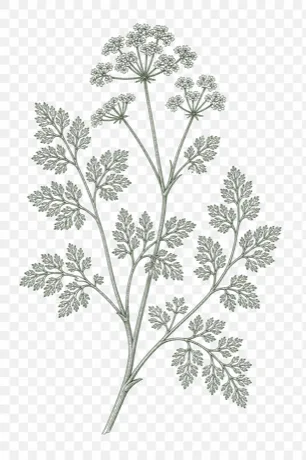
Chervil is a delicate hardy annual with fine, ferny leaves and a gentle aniseed-parsley flavour. It is especially good with eggs, fish and salads. Unlike many herbs, it prefers cool conditions and light shade, making it valuable for spring, autumn and protected winter sowings.
When and how to sow
Sow chervil directly where it is to grow, little and often from March to September. It dislikes transplanting, so do not start it in module trays. Choose light shade and fertile, moisture-retentive but free-draining soil. In southern gardens, shelter it from hot afternoon sun; in cooler areas, spring sowings can take more sun. Make an autumn sowing under a cloche for leaves into winter.
Care
Keep the soil consistently moist, especially in dry weather, because heat and drought prompt flowering. Thin seedlings gently to give each plant room, and sow another short row every few weeks. Chervil needs little attention beyond weeding and regular picking. A cloche or fleece can protect late autumn plants from severe cold.
Common problems
Bolting is the commonest setback: hot sunshine, dry soil and older plants quickly send up flower stems. Sow frequently and provide light shade. Slugs and snails may nibble low foliage in damp spots; hand-pick them and clear hiding places. Crowding can encourage mildew, so thin seedlings and water at soil level.
Harvest
Start taking young outer leaves when plants have developed several ferny stems. Snip them regularly, leaving the central growth intact for further picking. Use chervil fresh in eggs, fish and salads, as drying dulls its flavour. Harvest generously as flowering begins, since leaves become less worthwhile once stems elongate.
Growing Chervil: frequently asked questions
When should I sow chervil in the UK?
Sow chervil directly where it is to grow, little and often from March to September.
What are common problems when growing chervil?
Bolting is the commonest setback: hot sunshine, dry soil and older plants quickly send up flower stems.
When is chervil ready to harvest?
Start taking young outer leaves when plants have developed several ferny stems.
General guidance for UK home gardens and allotments. Reference figures are typical values; your exact timing depends on your region, last-frost date and variety. Page updated 19 Sep 2026.