
Growing guide · Herb
How to Grow Dill
Days to maturity60 days
Spacing25 cm
TypeHardy / cool-season
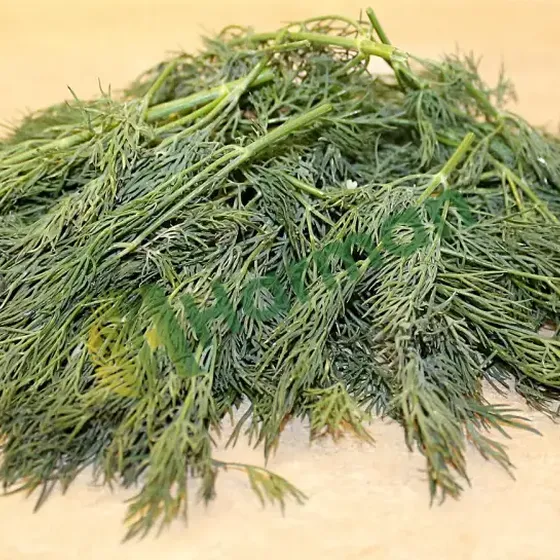
Dill is a tall, feathery hardy annual grown for aniseed-scented leaves and seed. Fresh foliage is excellent with fish and potatoes, while the flower heads and seed suit pickles. Its quick growth makes repeated sowings especially worthwhile in vegetable beds and allotment rows.
When and how to sow
Sow dill directly in short rows from April to July, after hard frosts have passed and the soil is workable. It resents transplanting, so avoid moving seedlings. Choose a sunny, sheltered site with moist but free-draining soil. Sow little and often for a continuous leaf crop, thinning seedlings as they grow. Keep dill well away from fennel if you wish to save seed, as they can cross-pollinate.
Care
Keep the soil evenly moist while seedlings establish, particularly during dry weather. Water at the base and weed carefully so shallow young plants are not disturbed. Tall stems may need discreet support in exposed plots. Remove flower stems for a little longer leaf production, but allow selected plants to bloom if you want seed.
Common problems
Hot, dry spells can make dill bolt quickly, so succession sowing is the simplest safeguard. Aphids sometimes gather on soft shoots; remove them with a firm jet of water. Crowded plants may develop leaf problems in damp weather. Thin seedlings, keep the plot weed-free and avoid wetting foliage late in the day.
Harvest
Begin cutting young feathery leaves once plants are well grown, taking outer stems first. Use them promptly in fish, potato and salad dishes. For seed, let chosen flower heads mature until they turn brown, then cut them before seed drops. Dry indoors in a paper bag and store the collected seed airtight.
Growing Dill: frequently asked questions
When should I sow dill in the UK?
Sow dill directly in short rows from April to July, after hard frosts have passed and the soil is workable.
What are common problems when growing dill?
Hot, dry spells can make dill bolt quickly, so succession sowing is the simplest safeguard.
When is dill ready to harvest?
Begin cutting young feathery leaves once plants are well grown, taking outer stems first.
General guidance for UK home gardens and allotments. Reference figures are typical values; your exact timing depends on your region, last-frost date and variety. Page updated 19 Sep 2026.