
Growing guide · Vegetable
How to Grow Edamame
Days to maturity80 days
Spacing10 cm
TypeTender, warm-season
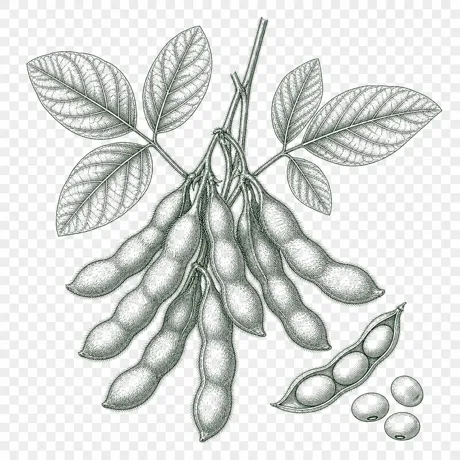
Edamame are young green soya beans picked while their pods are plump, bright and tender. They need a warm, sheltered British summer, making them most dependable in southern gardens or under glass. Compact plants also suit a greenhouse border, polytunnel or sunny, protected allotment plot.
When and how to sow
Sow in May into module trays or small pots under cover, then plant out after the last spring frost. In warm districts, direct sowing in June can work once soil has warmed. Choose full sun, shelter and fertile, free-draining ground. Space plants about 15 cm apart in rows with room to weed. Avoid cold, exposed sites, especially in Scotland and northern England.
Care
Keep soil evenly moist while plants establish and again as pods fill, without leaving roots waterlogged. Weed early, then mulch lightly to retain moisture. Plants generally stand without support, though exposed sites may benefit from short canes. As legumes, they help leave nitrogen in the soil for following crops.
Common problems
Cold soil, wind and wet conditions are the most frequent causes of slow growth in Britain. Aphids and slugs may affect young plants, while pigeons can disturb seedlings. Use fleece for early protection, remove slugs by hand and keep the plot weed-free. Rotate legumes around the vegetable garden each year.
Harvest
Pick entire pods when they are bright green, fuzzy and visibly filled with beans, before any yellowing begins. Crops often mature over a short period, so inspect plants every few days and pick in one or two rounds. Cook pods soon after harvesting, then shell the beans after cooking.
Growing Edamame: frequently asked questions
When should I sow edamame in the UK?
Sow in May into module trays or small pots under cover, then plant out after the last spring frost.
What are common problems when growing edamame?
Cold soil, wind and wet conditions are the most frequent causes of slow growth in Britain.
When is edamame ready to harvest?
Pick entire pods when they are bright green, fuzzy and visibly filled with beans, before any yellowing begins.
General guidance for UK home gardens and allotments. Reference figures are typical values; your exact timing depends on your region, last-frost date and variety. Page updated 19 Sep 2026.