
Growing guide · Vegetable
How to Grow Endive
Days to maturity90 days
Spacing25 cm
TypeHardy / cool-season
Start under cover5 wks before last frost
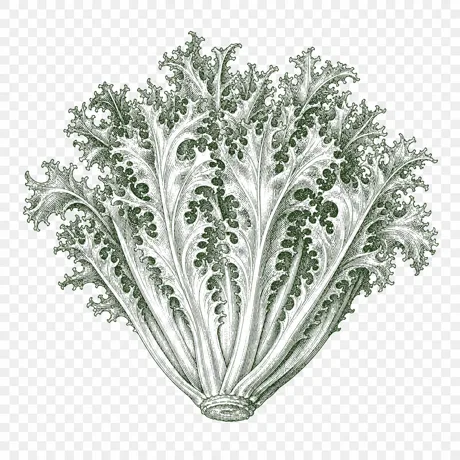
Endive is a chicory salad leaf valued for its crisp texture and pleasantly bitter edge. Curly frisee and broad-leaved escarole are both useful when summer lettuce is fading. With simple blanching, the inner leaves become paler, tenderer and milder for autumn and early winter salads.
When and how to sow
Sow from May to August in a fertile bed that holds moisture without becoming waterlogged. Make small successive sowings for a longer season, then thin seedlings or plant modules 30 cm apart. A sunny site suits cooler districts, while light afternoon shade helps in hotter gardens. Avoid very early sowings, which are more likely to bolt before forming hearts.
Care
Keep soil evenly moist, particularly in dry summer weather, and weed around young plants so they grow without interruption. When heads are nearly full-sized, choose a dry day and cover each plant with an upturned pot or plate for one to two weeks. Check regularly and uncover any plant showing rot.
Common problems
Slugs can damage young leaves and hide among dense foliage, so inspect plants frequently and keep surrounding ground tidy. Hot, dry spells may cause bolting and bitterness. Water consistently, use later sowings for autumn crops, and maintain space between plants so damp leaves dry after rain.
Harvest
Cut whole hearts from late summer through autumn once they are broad and substantial, after blanching if desired. Use a sharp knife just above soil level. Alternatively, take a few outer leaves while plants are young. Pick in cool weather for the mildest flavour and use promptly after harvesting.
Growing Endive: frequently asked questions
When should I sow endive in the UK?
Sow from May to August in a fertile bed that holds moisture without becoming waterlogged.
What are common problems when growing endive?
Slugs can damage young leaves and hide among dense foliage, so inspect plants frequently and keep surrounding ground tidy.
When is endive ready to harvest?
Cut whole hearts from late summer through autumn once they are broad and substantial, after blanching if desired.
General guidance for UK home gardens and allotments. Reference figures are typical values; your exact timing depends on your region, last-frost date and variety. Page updated 19 Sep 2026.