
Growing guide · Vegetable
How to Grow Kale
Days to maturity55 days
Spacing46 cm
TypeHardy / cool-season
Start under cover6 wks before last frost
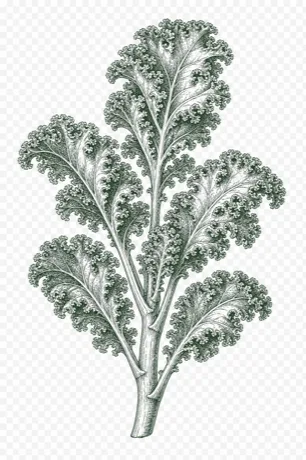
Kale is one of the most reliable winter greens for British gardens. Curly kales and cavolo nero tolerate cold, wind and light snow, and their leaves often taste sweeter after frost. A few plants provide pickings from autumn well into spring.
When and how to sow
Sow kale in module trays from March to June, or make a direct sowing in a prepared seed bed from April. Transplant when plants are sturdy, spacing them 45 to 60 cm apart in fertile, firm soil. For an autumn and winter crop, aim to plant by July. Choose sun or light shade, and protect seedlings with netting from the outset.
Care
Water while plants establish, then mulch with compost to hold moisture and limit weeds. Remove yellowing lower leaves to improve airflow. Pick regularly without damaging the central growing point, and check that netting remains secure after strong wind or snowfall.
Common problems
Cabbage white caterpillars chew holes in leaves and can hide along midribs. Greenhouse whitefly may also gather beneath foliage in sheltered gardens. Use fine netting, inspect plants often and remove affected leaves. Club root is avoided best through crop rotation and good drainage.
Harvest
Begin taking the lower outer leaves once plants are well established, leaving the centre intact to keep producing. Pick through autumn and winter as needed. Frosted leaves can be particularly mild in flavour. Remove whole plants in spring when they begin flowering.
Growing Kale: frequently asked questions
When should I sow kale in the UK?
Sow kale in module trays from March to June, or make a direct sowing in a prepared seed bed from April.
What are common problems when growing kale?
Cabbage white caterpillars chew holes in leaves and can hide along midribs.
When is kale ready to harvest?
Begin taking the lower outer leaves once plants are well established, leaving the centre intact to keep producing.
General guidance for UK home gardens and allotments. Reference figures are typical values; your exact timing depends on your region, last-frost date and variety. Page updated 19 Sep 2026.