
Growing guide · Herb
How to Grow Lovage
Days to maturity90 days
Spacing61 cm
TypeHardy / cool-season
Start under cover6 wks before last frost
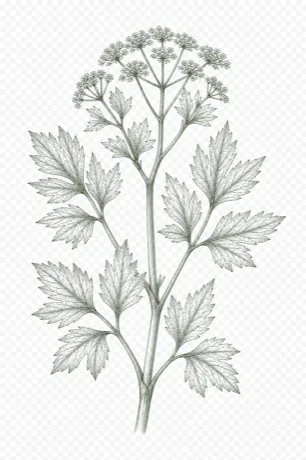
Lovage is a long-lived, hardy perennial herb with a powerful celery-like flavour. Its handsome leaves and towering flower stems need a permanent position, but one established clump provides generous pickings for soups, stocks and salads for many seasons.
When and how to sow
Sow fresh seed in module trays or directly outside from March to May, then plant out after hard frosts. Alternatively, divide an established clump in spring. Choose a deep, fertile, moisture-retentive yet well-drained site in sun or light shade, preferably at the back of a border. Leave at least 1 m around each plant, as mature lovage can exceed 1.5 m.
Care
Water regularly in dry weather to keep leaves tender, and mulch the surrounding soil with garden compost in spring without burying the crown. Remove flowering stems if foliage is your priority. Cut older leaves back during summer to prompt fresh growth. Divide congested plants every few years in early spring.
Common problems
Lovage is robust, but aphids may cluster on young shoots and leaf miner can leave pale tunnels in foliage. Remove badly marked leaves and encourage birds and beneficial insects. Good spacing helps foliage dry after rain. Wind can topple tall flowering stems, so provide discreet support in exposed gardens.
Harvest
Begin cutting young outer leaves and stems once the clump is well established in late spring. Take small amounts regularly, using the leaves sparingly in cooking because their flavour is strong. Snip stems near the base and retain the central growth. Gather seeds when they ripen and turn brown in late summer.
Growing Lovage: frequently asked questions
When should I sow lovage in the UK?
Sow fresh seed in module trays or directly outside from March to May, then plant out after hard frosts.
What are common problems when growing lovage?
Lovage is robust, but aphids may cluster on young shoots and leaf miner can leave pale tunnels in foliage.
When is lovage ready to harvest?
Begin cutting young outer leaves and stems once the clump is well established in late spring.
General guidance for UK home gardens and allotments. Reference figures are typical values; your exact timing depends on your region, last-frost date and variety. Page updated 19 Sep 2026.