
Growing guide · Vegetable
How to Grow Melons
Days to maturity85 days
Spacing61 cm
TypeTender, warm-season
Start under cover3 wks before last frost
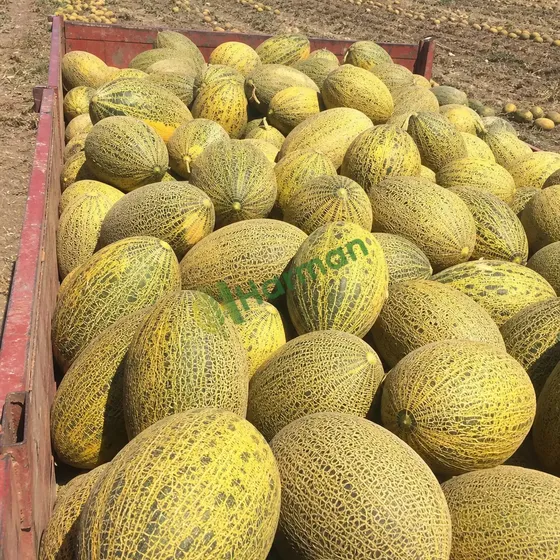
Melons reward careful British growers with fragrant, sweet fruit, but need steadier warmth than an open plot usually provides. Cantaloupe and Galia types suit a greenhouse, polytunnel or cold frame. Train plants neatly and give each fruit support as it develops.
When and how to sow
Sow seeds individually in April in small pots of peat-free potting compost, keeping them warm until germination. Plant into warm, rich greenhouse or polytunnel soil after the last spring frost, or use large containers. Allow 45 cm between plants and train stems on supports or along the ground. In cooler areas, wait until night temperatures are reliably mild and use a warm, sheltered structure.
Care
Water regularly at the base while plants establish and fruits form, then reduce watering slightly as ripening begins. Ventilate the greenhouse each day to lower humidity and improve pollination. Hand-pollinate female flowers with a soft brush if insects are scarce. Support swelling fruits in nets and pinch out unneeded side shoots.
Common problems
Powdery mildew and grey mould flourish where air is stagnant or leaves stay wet. Ventilate well, water the soil and remove affected foliage. Red spider mite can occur in dry greenhouse conditions, so inspect leaf undersides regularly. Poor pollination leads to misshapen fruits, making hand-pollination useful during dull weather.
Harvest
Pick melons when their scent is sweet and noticeable, their skin shows mature colouring, and the fruit eases gently from the stalk. Harvest in dry weather with secateurs if necessary. Use ripe fruits promptly, as flavour and texture are best shortly after picking. Avoid lifting fruits by their stems.
Growing Melons: frequently asked questions
When should I sow melons in the UK?
Sow seeds individually in April in small pots of peat-free potting compost, keeping them warm until germination.
What are common problems when growing melons?
Powdery mildew and grey mould flourish where air is stagnant or leaves stay wet.
When is melons ready to harvest?
Pick melons when their scent is sweet and noticeable, their skin shows mature colouring, and the fruit eases gently from the stalk.
General guidance for UK home gardens and allotments. Reference figures are typical values; your exact timing depends on your region, last-frost date and variety. Page updated 19 Sep 2026.