
Growing guide · Herb
How to Grow Parsley
Days to maturity75 days
Spacing20 cm
TypeHardy / cool-season
Start under cover8 wks before last frost
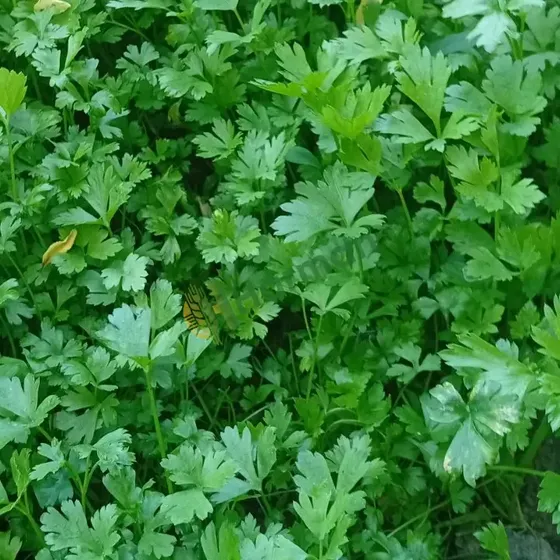
Parsley is a hardy biennial, commonly grown for one season, with either flat-leaved French or decorative curled foliage. Its fresh leaves suit sauces, stuffing, fish and everyday garnishes. Established plants can remain productive through a mild British winter.
When and how to sow
Sow parsley from March to July in moist, fertile soil or in module trays under gentle warmth. Germination can be slow, so keep compost evenly moist and be patient. Transplant or thin seedlings to 20 cm apart after they establish. Choose sun or light shade, especially where summers are dry. In cooler northern gardens, early sowings under cover give the longest season.
Care
Water during dry spells so the soil stays moist but not sodden, particularly for container plants. Remove weeds before they compete with young seedlings. A spring mulch of garden compost helps retain moisture. In its second year parsley naturally flowers, so replace plants if leafy harvests decline.
Common problems
Carrot fly may trouble parsley because it is related to carrots, especially where foliage is bruised during thinning. Cover young plants with fine mesh or fleece and avoid leaving thinnings nearby. Leaf spots and crown rot are more likely in wet, congested ground; improve spacing and drainage.
Harvest
Cut outer stems close to the base when plants have formed a good clump, leaving the central shoots to develop. Pick regularly for continuous new leaves. Use flat leaves in tabbouleh, sauces and cooked dishes, or curled parsley as a finishing garnish. Freshly cut stems keep briefly in the refrigerator.
Growing Parsley: frequently asked questions
When should I sow parsley in the UK?
Sow parsley from March to July in moist, fertile soil or in module trays under gentle warmth.
What are common problems when growing parsley?
Carrot fly may trouble parsley because it is related to carrots, especially where foliage is bruised during thinning.
When is parsley ready to harvest?
Cut outer stems close to the base when plants have formed a good clump, leaving the central shoots to develop.
General guidance for UK home gardens and allotments. Reference figures are typical values; your exact timing depends on your region, last-frost date and variety. Page updated 19 Sep 2026.