
Growing guide · Vegetable
How to Grow Pumpkins
Days to maturity100 days
Spacing91 cm
TypeTender, warm-season
Start under cover3 wks before last frost
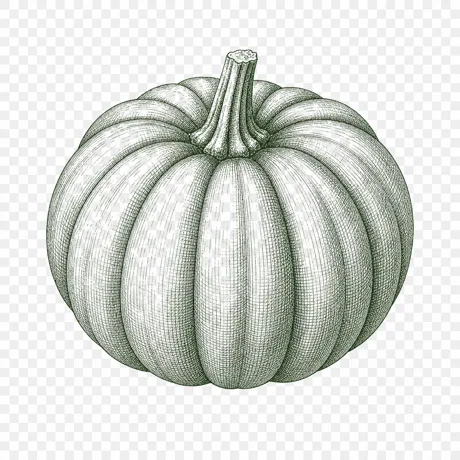
Pumpkins bring colour and drama to an allotment or generous garden bed, with fruits suitable for cooking, carving or both. They are tender, hungry trailing plants that need sunshine, rich soil and room to ramble. Compact varieties suit smaller spaces better.
When and how to sow
Sow seeds individually in pots from April to May, keeping them warm until germination. Harden plants off and set them on compost-enriched mounds after the last spring frost, usually late May or June. Choose a sunny, sheltered place and allow at least 1.5 m between plants, more for vigorous trailing varieties. In mild southern gardens, seed may also be sown outside once soil has warmed.
Care
Keep the soil evenly moist, watering at the base during dry weather as fruits develop. Mulch around plants to reduce weed competition and retain moisture. Feed with compost through the season. For larger pumpkins, particularly Halloween types, select one or two well-formed fruits per plant and remove further small fruit.
Common problems
Slugs can destroy young seedlings, so protect plants early and check beneath foliage. Powdery mildew often develops late in summer, particularly where plants are crowded or thirsty. Give vines space, water the soil rather than leaves and remove badly affected foliage. Cold, wet ground can slow growth.
Harvest
Harvest before the first autumn frosts, when fruits have reached their proper colour and the rind feels hard. Cut the stem with secateurs, leaving a generous handle without lifting by it. Cure pumpkins in dry sunshine or a warm airy place for around two weeks, then store frost-free.
Growing Pumpkins: frequently asked questions
When should I sow pumpkins in the UK?
Sow seeds individually in pots from April to May, keeping them warm until germination.
What are common problems when growing pumpkins?
Slugs can destroy young seedlings, so protect plants early and check beneath foliage.
When is pumpkins ready to harvest?
Harvest before the first autumn frosts, when fruits have reached their proper colour and the rind feels hard.
General guidance for UK home gardens and allotments. Reference figures are typical values; your exact timing depends on your region, last-frost date and variety. Page updated 19 Sep 2026.