
Growing guide · Vegetable
How to Grow Radicchio
Days to maturity70 days
Spacing20 cm
TypeHardy / cool-season
Start under cover5 wks before last frost
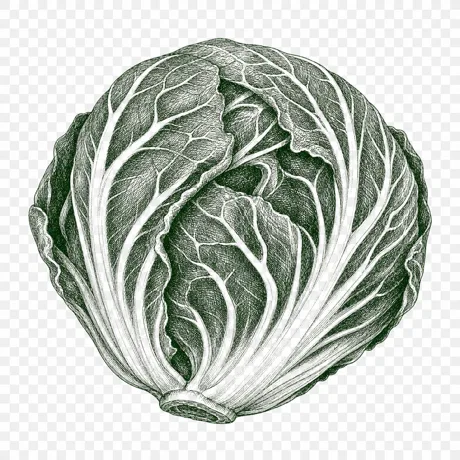
Radicchio is a red-leaved chicory that forms handsome, firm hearts with a distinctive gentle bitterness. Its colour and flavour develop best as autumn temperatures fall, making it a welcome allotment crop after summer salads finish. Cool nights, including a light frost, often improve the result.
When and how to sow
Sow from June to July for dependable autumn and early winter heads. Use a fertile, well-prepared bed in sun, or light shade in a warm southern garden. Sow sparingly, then thin seedlings to 30 cm apart so each plant can form a heart. Choose a variety suited to heading naturally, and avoid early sowings that may bolt.
Care
Water during dry spells to keep growth steady, but avoid waterlogging. Weed carefully and leave generous room around each plant for airflow. As nights cool, allow heads to mature in the open; chilly weather improves their deep red colour. Some types can be cut back after outer leaves develop, encouraging a tighter heart to resprout.
Common problems
Slugs readily chew young leaves and can spoil developing hearts, especially after wet weather. Check plants and remove hiding places nearby. Bolting is most likely from early sowing or sudden heat, so sow at the recommended time. Crowded, damp plants may rot; thin well and water the soil rather than foliage.
Harvest
Cut firm heads in autumn when they feel solid in the hand and show good colour. Leave tough or damaged outer leaves behind, then cut at the base with a sharp knife. Protect later crops with a cloche during severe weather. A light frost before harvesting can improve colour and flavour.
Growing Radicchio: frequently asked questions
When should I sow radicchio in the UK?
Sow from June to July for dependable autumn and early winter heads.
What are common problems when growing radicchio?
Slugs readily chew young leaves and can spoil developing hearts, especially after wet weather.
When is radicchio ready to harvest?
Cut firm heads in autumn when they feel solid in the hand and show good colour.
General guidance for UK home gardens and allotments. Reference figures are typical values; your exact timing depends on your region, last-frost date and variety. Page updated 19 Sep 2026.