
Growing guide · Vegetable
How to Grow Rocket
Days to maturity40 days
Spacing15 cm
TypeHardy / cool-season
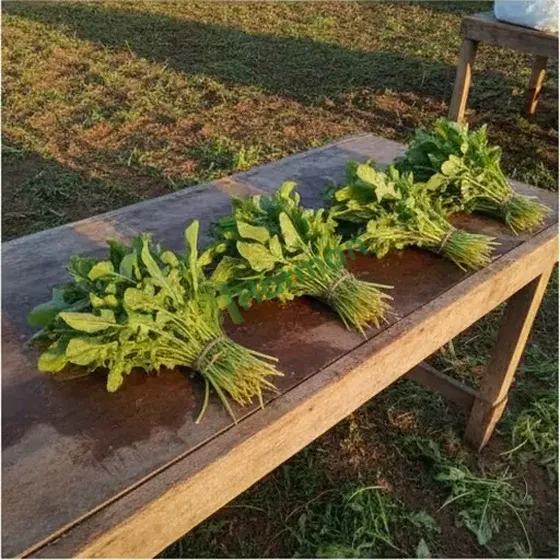
Rocket is a quick, peppery salad leaf available as broad-leaved salad rocket or finer wild rocket. It is well suited to pots, beds and allotments, providing repeated cuts in cool weather. Small, regular sowings make it one of the easiest leafy crops to keep coming.
When and how to sow
Sow direct from March in moist, fertile soil, in short rows or wide drills. Choose sun in spring and light shade as days warm. Sow a little every two to three weeks, rather than all at once, because plants run to flower quickly in heat. Start again from late summer into autumn, when crops also grow well beneath a cloche.
Care
Keep soil evenly moist to produce tender leaves and reduce harsh flavour. Thin crowded seedlings, weed gently and use a light mulch where conditions are dry. Cut outer leaves often, leaving the centre intact for regrowth. Once flowering begins, sow a fresh batch instead; older foliage becomes much hotter and less succulent.
Common problems
Flea beetle is the usual nuisance, leaving tiny holes across young leaves. Cover seedlings with fine fleece from sowing, securing the edges well. Slugs may damage low growth in damp weather, while crowded, wet plants can develop leaf disease. Give plants room, water the soil rather than foliage and clear tired crops.
Harvest
Begin taking baby leaves once plants are large enough to spare, usually within a few weeks. Snip the outer leaves with scissors and leave the growing point for cut-and-come-again harvests. Pick before flower buds open for a milder flavour. Wash gently and use soon after cutting, when the leaves are at their crispest.
Growing Rocket: frequently asked questions
When should I sow rocket in the UK?
Sow direct from March in moist, fertile soil, in short rows or wide drills.
What are common problems when growing rocket?
Flea beetle is the usual nuisance, leaving tiny holes across young leaves.
When is rocket ready to harvest?
Begin taking baby leaves once plants are large enough to spare, usually within a few weeks.
General guidance for UK home gardens and allotments. Reference figures are typical values; your exact timing depends on your region, last-frost date and variety. Page updated 19 Sep 2026.