
Growing guide · Herb
How to Grow Rosemary
Days to maturity85 days
Spacing61 cm
TypeHardy / cool-season
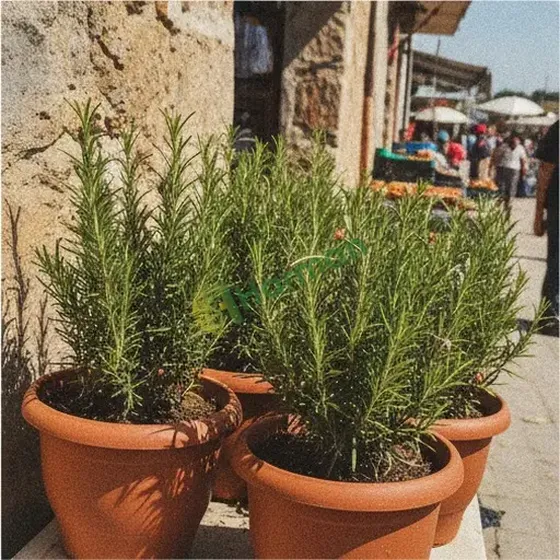
Rosemary, now classified as Salvia rosmarinus, is an evergreen Mediterranean shrub with strongly scented needle-like leaves for roast potatoes, lamb, breads and stews. In Britain it succeeds best where winter water drains away freely and cold winds cannot catch it.
When and how to sow
Buy a young rosemary plant or root a cutting in late spring, as seed is slow and variable. Plant from April to June in a sunny, sheltered site with light, gritty, free-draining soil. Space shrubs about 60 cm apart. A pot with generous drainage is ideal in colder districts, allowing the plant to be moved under cover during a hard winter.
Care
Water newly planted rosemary until rooted in, then let the soil dry slightly between waterings. Avoid rich feeding and heavy mulches around its crown. After flowering, lightly trim soft growth to maintain a compact shape, but do not cut deeply into old bare wood. Shelter container plants from prolonged winter wet.
Common problems
Poor drainage is the chief cause of decline, producing yellowing foliage and dieback after wet winters. Improve drainage or move container plants under cover. Rosemary beetle can chew leaves; inspect stems from spring onwards and remove visible adults and larvae by hand. Good spacing reduces dampness around foliage.
Harvest
Pick small sprigs throughout the year from established plants, cutting soft leafy tips rather than old woody stems. Regular light picking also keeps the shrub tidy. Use fresh rosemary with roasted vegetables, meat or focaccia. Dry surplus sprigs in an airy room, then store the stripped leaves in a sealed jar.
Growing Rosemary: frequently asked questions
When should I sow rosemary in the UK?
Buy a young rosemary plant or root a cutting in late spring, as seed is slow and variable.
What are common problems when growing rosemary?
Poor drainage is the chief cause of decline, producing yellowing foliage and dieback after wet winters.
When is rosemary ready to harvest?
Pick small sprigs throughout the year from established plants, cutting soft leafy tips rather than old woody stems.
General guidance for UK home gardens and allotments. Reference figures are typical values; your exact timing depends on your region, last-frost date and variety. Page updated 19 Sep 2026.