
Growing guide · Herb
How to Grow Sage
Days to maturity75 days
Spacing46 cm
TypeHardy / cool-season
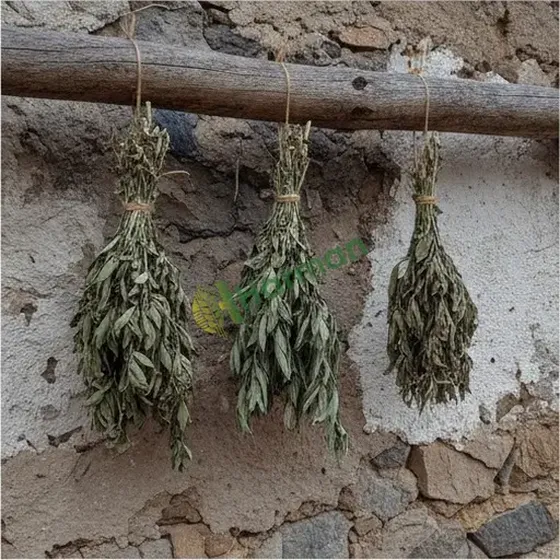
Sage is an evergreen, shrubby Mediterranean perennial with soft grey-green leaves and a savoury flavour. It is a favourite for stuffing, pork and rich sauces. Common sage, plus purple and variegated forms, make handsome additions to sunny herb borders and pots.
When and how to sow
Plant a young sage plant or rooted cutting in April or May, once the ground is warming and severe frost has passed. Spring seed sowing is possible in module trays, but plants establish more reliably from cuttings. Choose a sunny, sheltered position with light, free-draining soil. Improve heavy ground with grit and grow on a raised bed or in a pot where winter drainage is doubtful.
Care
Water newly planted sage during dry spells in its first summer; established plants need little extra water. Avoid rich feeding and keep the crown clear of damp mulch. After flowering, lightly trim the current growth to maintain a neat shape and discourage woody, leggy stems. Replace very old plants if growth becomes sparse.
Common problems
Cold, wet winter soil is sage's chief enemy and can rot the crown or roots. Good drainage, open spacing and a sheltered site prevent most trouble. Mildew may occur where foliage stays damp or plants are crowded. Remove affected leaves, water the soil rather than the foliage, and improve air movement.
Harvest
Pick individual leaves or short sprigs whenever needed, including through mild winters. Take regular light cuts from established plants, leaving plenty of leafy growth behind. For drying, gather sprigs before flowering on a dry morning, hang them somewhere airy, then store the crumbled leaves in a sealed jar.
Growing Sage: frequently asked questions
When should I sow sage in the UK?
Plant a young sage plant or rooted cutting in April or May, once the ground is warming and severe frost has passed.
What are common problems when growing sage?
Cold, wet winter soil is sage's chief enemy and can rot the crown or roots.
When is sage ready to harvest?
Pick individual leaves or short sprigs whenever needed, including through mild winters.
General guidance for UK home gardens and allotments. Reference figures are typical values; your exact timing depends on your region, last-frost date and variety. Page updated 19 Sep 2026.