
Growing guide · Vegetable
How to Grow Spinach
Days to maturity45 days
Spacing10 cm
TypeHardy / cool-season
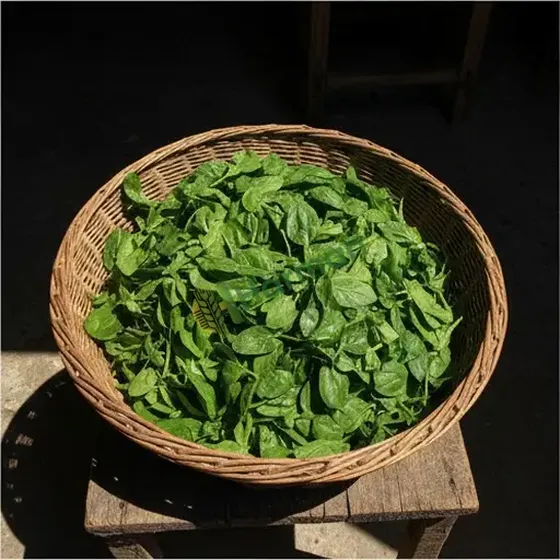
True spinach is a quick, tender leaf crop for cool parts of the British growing year. Its fresh leaves are especially welcome in spring and autumn, when few salads thrive outdoors. Regular small sowings give better results than one large row, as plants readily bolt in warmth.
When and how to sow
Sow thinly in shallow drills from February to May, then again from late August to September for autumn and overwintered leaves. Use fertile, well-drained ground that holds moisture, spacing rows about 30 cm apart. In colder districts, begin early sowings under a cloche. For summer picking, choose perpetual spinach or chard instead, as they tolerate longer days and warmth better.
Care
Keep the bed evenly moist and weed-free, thinning crowded seedlings to give leaves room. Pick outside leaves regularly to encourage more growth. Give spring crops sun, but choose light shade for late spring sowings. Protect late autumn plants with a cloche or fleece when hard weather threatens.
Common problems
Bolting is common when days lengthen or plants become dry, so sow at the right time and water consistently. Downy mildew is encouraged by damp, congested foliage; remove affected leaves and allow air movement. Birds may nip seedlings, while fleece offers useful protection.
Harvest
Begin picking baby leaves when they are large enough to use, or take a few outer leaves from each plant over several weeks. Harvest in the morning for crispness. Cut whole plants before flower stems rise. Autumn sowings can supply leaves through mild winter spells beneath protection.
Growing Spinach: frequently asked questions
When should I sow spinach in the UK?
Sow thinly in shallow drills from February to May, then again from late August to September for autumn and overwintered leaves.
What are common problems when growing spinach?
Bolting is common when days lengthen or plants become dry, so sow at the right time and water consistently.
When is spinach ready to harvest?
Begin picking baby leaves when they are large enough to use, or take a few outer leaves from each plant over several weeks.
General guidance for UK home gardens and allotments. Reference figures are typical values; your exact timing depends on your region, last-frost date and variety. Page updated 19 Sep 2026.