
Growing guide · Herb
How to Grow Summer Savory
Days to maturity60 days
Spacing15 cm
TypeTender, warm-season
Start under cover6 wks before last frost
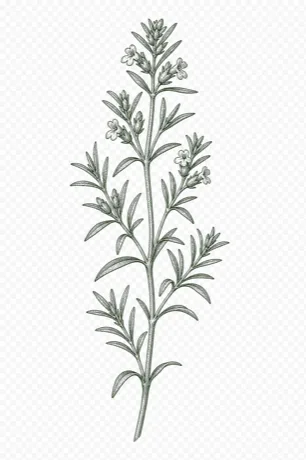
Summer savory is an aromatic annual herb with a peppery, thyme-like flavour. Its neat growth suits a sunny herb border, vegetable plot or container, and the tiny summer flowers attract small pollinating insects. It is a traditional companion in cooking for broad beans and pulses.
When and how to sow
Sow from April to May in a warm, sunny position with light, free-draining soil. Direct sow thinly, or start several seeds in module trays under cover and plant out after the last spring frost. Cover seed only lightly and keep compost just moist until germination. Thin or set plants 15 cm apart, allowing room for bushy growth.
Care
Keep young plants weed-free and water during dry spells, but do not leave the soil constantly wet. Summer savory rarely needs feeding in reasonable garden soil. Pinch out growing tips once plants are established to encourage branching and a fuller supply of shoots. Container plants need regular watering but excellent drainage.
Common problems
This herb is generally trouble-free in full sun. Aphids may appear on tender tips, while mildew or root loss can follow overcrowding and persistently damp soil. Maintain 15 cm spacing, remove weeds, water the soil in the morning and discard seriously affected plants. Slugs may nibble very young seedlings.
Harvest
Start snipping sprigs once plants are bushy, taking shoot tips regularly through summer. Flavour is particularly good just before flowers open. Harvest on a dry morning, cutting stems with clean scissors and leaving enough foliage for regrowth. For drying, gather small bunches before flowering and hang them in an airy place.
Growing Summer Savory: frequently asked questions
When should I sow summer savory in the UK?
Sow from April to May in a warm, sunny position with light, free-draining soil.
What are common problems when growing summer savory?
This herb is generally trouble-free in full sun.
When is summer savory ready to harvest?
Start snipping sprigs once plants are bushy, taking shoot tips regularly through summer.
General guidance for UK home gardens and allotments. Reference figures are typical values; your exact timing depends on your region, last-frost date and variety. Page updated 19 Sep 2026.