
Growing guide · Vegetable
How to Grow Sweet Corn
Days to maturity75 days
Spacing20 cm
TypeTender, warm-season
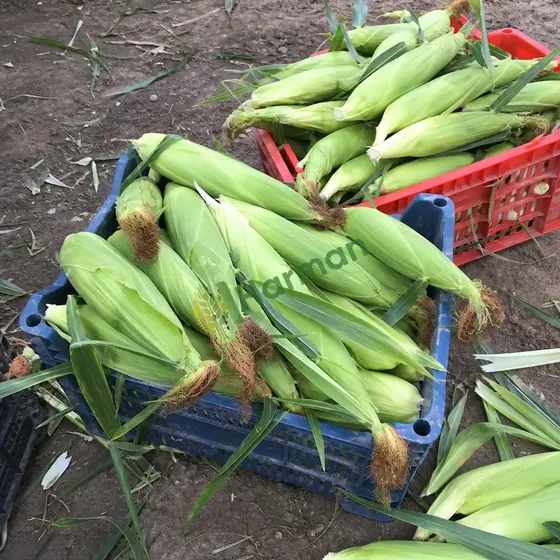
Sweetcorn is a rewarding summer crop for a warm, sheltered UK garden or allotment. Its tall plants make an attractive screen, and freshly picked cobs are notably sweet. Choose a reliable supersweet variety and allow enough room for several plants together.
When and how to sow
Sow one seed per module or small pot in April or May in a greenhouse, polytunnel or bright windowsill. Sweetcorn roots resent disturbance, so plant seedlings out carefully once frost risk has passed, from late May in warmer areas or June in cooler districts. Prepare fertile, free-draining soil in full sun and set plants 35 cm apart in a block of short rows, rather than a single line.
Care
Water deeply during dry spells, especially once tassels appear and cobs begin to swell. Mulch with garden compost to conserve moisture and suppress weeds. Earth up soil lightly around stems if plants are exposed, and feed the bed with compost before planting. Shake plants gently in still weather to aid pollination.
Common problems
Cold winds, poor pollination and drought can leave cobs partly filled, so use a sheltered block planting and water consistently. Birds may peck ripening cobs, while badgers can be troublesome on some allotments. Netting or suitable plot protection helps. Remove weeds that compete with young plants.
Harvest
Pick from August to October, according to variety and weather. Cobs are ready when the silks have turned brown and dry, yet the husks remain green. Peel back a little husk and squeeze a kernel: milky sap indicates readiness. Twist off cobs and cook promptly for best sweetness.
Growing Sweet Corn: frequently asked questions
When should I sow sweet corn in the UK?
Sow one seed per module or small pot in April or May in a greenhouse, polytunnel or bright windowsill.
What are common problems when growing sweet corn?
Cold winds, poor pollination and drought can leave cobs partly filled, so use a sheltered block planting and water consistently.
When is sweet corn ready to harvest?
Pick from August to October, according to variety and weather.
General guidance for UK home gardens and allotments. Reference figures are typical values; your exact timing depends on your region, last-frost date and variety. Page updated 19 Sep 2026.