
Growing guide · Vegetable
How to Grow Swiss Chard
Days to maturity55 days
Spacing20 cm
TypeHardy / cool-season
Start under cover4 wks before last frost
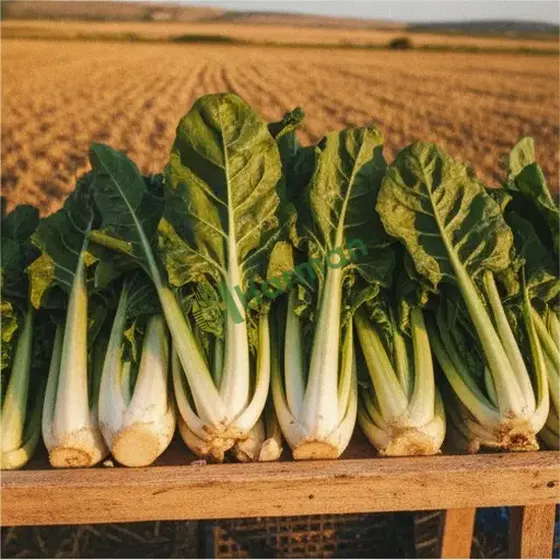
Swiss chard, also called chard or leaf beet, is a hardy and generous leafy vegetable that withstands summer better than spinach and can stand through winter. Varieties such as 'Bright Lights' bring vivid stems to beds while supplying leaves for many months.
When and how to sow
Sow from April to July in drills or module trays, planting seedlings 30 cm apart once established. Each seed cluster can produce several seedlings, so thin carefully. Choose fertile, moisture-retentive soil in sun or light shade and incorporate garden compost before sowing. For winter leaves, make a further late-summer sowing and protect plants later with a cloche, particularly in colder areas.
Care
Water during dry spells to keep stalks tender, and remove weeds before plants fill the space. Pick outer leaves regularly, leaving the central crown intact for continued growth. Mulch plants in summer and give overwintering chard fleece or cloche protection during prolonged hard frost. Remove yellowing foliage promptly.
Common problems
Leaf miner larvae create pale, winding patches inside leaves; remove and dispose of affected foliage before larvae mature. Downy mildew is more likely in damp, crowded conditions, producing pale patches and greyish growth beneath. Space plants well, water the soil rather than leaves and improve air movement.
Harvest
Begin cutting outer leaves when they are large enough to use, taking only a few from each plant. Regular picking encourages fresh growth, making chard a true cut-and-come-again crop. Harvest through autumn and winter during mild spells, leaving enough foliage for plants to recover after cold weather.
Growing Swiss Chard: frequently asked questions
When should I sow swiss chard in the UK?
Sow from April to July in drills or module trays, planting seedlings 30 cm apart once established.
What are common problems when growing swiss chard?
Leaf miner larvae create pale, winding patches inside leaves; remove and dispose of affected foliage before larvae mature.
When is swiss chard ready to harvest?
Begin cutting outer leaves when they are large enough to use, taking only a few from each plant.
General guidance for UK home gardens and allotments. Reference figures are typical values; your exact timing depends on your region, last-frost date and variety. Page updated 19 Sep 2026.