
Growing guide · Herb
How to Grow Thyme
Days to maturity90 days
Spacing30 cm
TypeHardy / cool-season
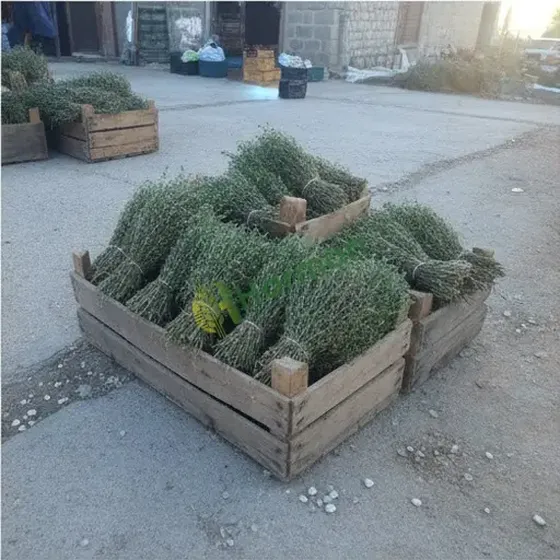
Thyme is a low, spreading evergreen Mediterranean herb for sunny places, valued in soups, stuffing, roast vegetables and savoury bakes. Common thyme and lemon thyme are particular favourites. Once settled in a dry, open spot, plants need little attention and look attractive year-round.
When and how to sow
Start with a garden-centre plant, rooted cutting or division in spring, since thyme seed is slow to establish. Plant from April to June in full sun, spacing plants 25 cm apart. Choose lean, free-draining soil, or use a pot with gritty compost. It also suits gravel gardens, raised edges and gaps between paving where water drains quickly.
Care
Water new plants until they establish, then water sparingly and allow the soil to dry between drinks. Do not enrich the site heavily, as rich conditions make growth soft. After flowering, trim lightly to keep plants compact. Protect pots from persistent winter wet by moving them against a sheltered wall.
Common problems
Thyme commonly fails through winter wet rather than cold. Soggy soil causes root rot and grey, thinning patches, particularly at the centre of old plants. Improve drainage with grit, keep crowns clear of mulch and replace badly affected plants. Aphids occasionally gather on soft new growth.
Harvest
Snip short sprigs whenever required, preferably before flowering when flavour is strongest. Take only the fresh upper growth and leave woody stems intact. Harvest lightly into autumn so plants can settle for winter. Use leaves fresh, or dry sprigs in an airy place for reliable kitchen supplies.
Growing Thyme: frequently asked questions
When should I sow thyme in the UK?
Start with a garden-centre plant, rooted cutting or division in spring, since thyme seed is slow to establish.
What are common problems when growing thyme?
Thyme commonly fails through winter wet rather than cold.
When is thyme ready to harvest?
Snip short sprigs whenever required, preferably before flowering when flavour is strongest.
General guidance for UK home gardens and allotments. Reference figures are typical values; your exact timing depends on your region, last-frost date and variety. Page updated 19 Sep 2026.