
Growing guide · Vegetable
How to Grow Winter Squash
Days to maturity95 days
Spacing91 cm
TypeTender, warm-season
Start under cover3 wks before last frost
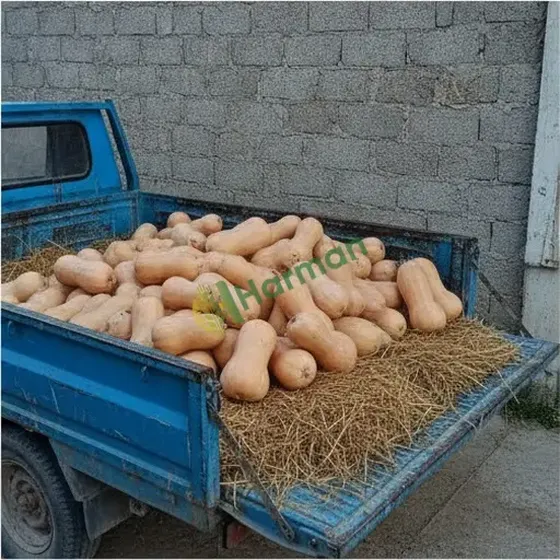
Winter squash, including butternut and 'Crown Prince', produces hard-skinned fruits for autumn meals and winter storage. Its vigorous vines need warmth, fertile soil and ample space. In a favourable season, one plant can yield several long-keeping fruits for the kitchen.
When and how to sow
Sow indoors in individual pots during April or May, then grow seedlings on without disturbing their roots. Plant out after the last spring frost into a warm, sheltered site, allowing at least 1.2 m per plant. Make a low mound of well-manured, free-draining soil and add garden compost. In cooler northern gardens, select quicker-maturing varieties and use fleece initially.
Care
Water generously in dry weather, directing water to the soil, and maintain a compost mulch around plants. Feed through summer as fruits swell. Guide vines into clear space so leaves receive light and air can circulate. In a short season, remove late, tiny fruits so established squash can ripen before autumn.
Common problems
Slugs threaten seedlings, while damp foliage and poor airflow encourage powdery mildew. Water at the base, keep weeds down and remove diseased leaves promptly. Cool summers may delay ripening, particularly in exposed plots. Protect young plants from cold winds and choose a sheltered position to reduce stress.
Harvest
Harvest before the first autumn frosts, once the skin is hard and the colour fully developed. Cut fruits with secateurs, leaving a 5 cm stalk attached. Cure them for around 10 days in a warm, dry place, preferably with sunlight, then store undamaged squash somewhere cool and frost-free.
Growing Winter Squash: frequently asked questions
When should I sow winter squash in the UK?
Sow indoors in individual pots during April or May, then grow seedlings on without disturbing their roots.
What are common problems when growing winter squash?
Slugs threaten seedlings, while damp foliage and poor airflow encourage powdery mildew.
When is winter squash ready to harvest?
Harvest before the first autumn frosts, once the skin is hard and the colour fully developed.
General guidance for UK home gardens and allotments. Reference figures are typical values; your exact timing depends on your region, last-frost date and variety. Page updated 19 Sep 2026.